Never Store Records Flat
Always stack them vertically — spine up, like books on a shelf. Horizontal stacking creates uneven pressure across the disc surface that causes permanent warping over time.
The Wax
A vinyl record is a physical archive of sound. With the right habits, a well-maintained pressing can outlast every digital format you've ever owned. With the wrong ones, you can destroy a record in three plays.
Always stack them vertically — spine up, like books on a shelf. Horizontal stacking creates uneven pressure across the disc surface that causes permanent warping over time.
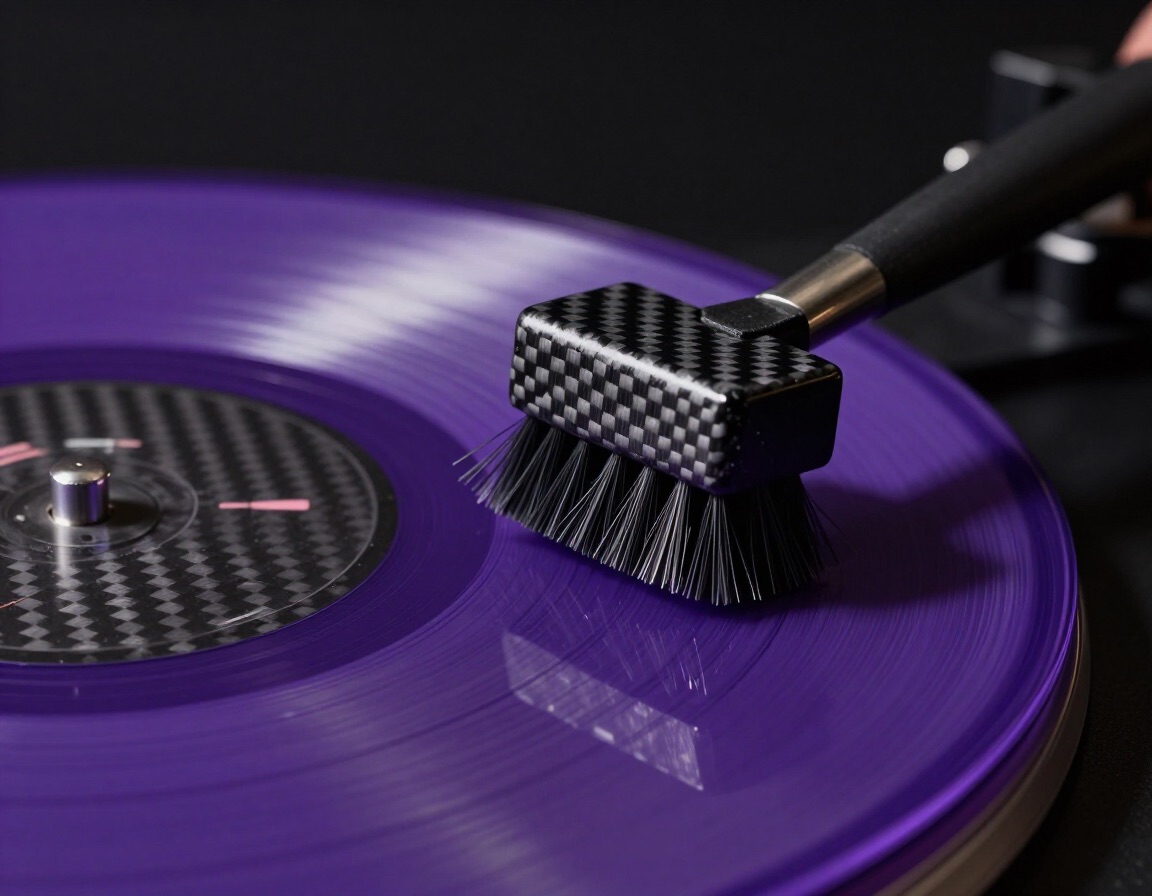
Before every single play, sweep both surfaces with a carbon fiber anti-static brush. This removes micron-scale dust particles before the stylus can grind them into the grooves.
Replace cheap, abrasive paper inner sleeves with anti-static polyethylene sleeves. Original paper sleeves can scratch the disc surface with every insertion and removal.
These are not just great albums — they are engineering benchmarks. Each was mastered specifically to exploit the dynamic range, warmth, and spatial imaging that vinyl uniquely provides.
Alan Parsons' engineering is a masterclass in dynamic contrast and spatial depth. The original UK Harvest pressing has a weight and warmth that no digital file can replicate.
Ken Caillat and Richard Dashut recorded this album to tape with the intention of vinyl playback. The stereo width and midrange presence on a quality pressing is revelatory.
Arguably the most meticulously recorded album in pop history. The half-speed mastered Mobile Fidelity pressing exposes every micro-detail in Fagen and Becker's obsessive arrangements.
Intentionally engineered for analog playback. The Nile Rodgers guitar, live Chic rhythm section, and Giorgio Moroder synthesizers each occupy their own physical space in the stereo field.
Columbia's 6-eye pressing captures the ambient resonance of 30th Street Studio in a way that feels uncannily present. Modal jazz was invented for this format.